A child’s hunger doesn’t always occur at regular hours. They may be working on homework or playing somewhere, and a short time later they’re asking to eat. For parents, a good strategy for choosing healthy snacks for kids is to choose foods that have a healthy balance of ingredients, proper portion sizes, and foods kids will eat.
Snack time can also be a chance to get some fruit, vegetables, grains, pulses and nuts into the diet. Knowing what makes a snack “useful” can help parents make easy decisions for the school hours, after school and evening play times.
Understanding What Growing Kids Need Between Meals
Hunger between meal times is normal; children are active learners and movers. Snacks may be different by age, activity, time of day and appetites. As a food item for consumption after school, the snack should be something that fits within the overall feeding pattern and should not take the place of a well-balanced meal.
Snacks are mini-meals for the sake of a mini-meal. A themed bite of fruit and vegetable, or grain-based food or appropriate mix can provide a different nutrient and texture to the day. Children are more likely to tolerate food or food items that are familiar to them.
Building a Balanced Snack Starts With Variety
Children can enjoy snack time more by offering them variety. Parents can mix together familiar foods with fruits, vegetables, grains, pulses or appropriate nut-based foods. Planning snacks for kids can be made easy by ensuring there is a suitable portion size for that child’s age and appetite.
- Add Fruit for Natural Variety
Fresh fruits can provide colour, flavours, fibre, and various textures for snack time. Bananas or apples, oranges, seasonal fruits or berries may be served depending on availability and preference.
- Include Vegetable-Based Options
Vegetables don’t have to be served just at lunch or dinner. Vegetable sandwiches, homemade rolls or appropriate vegetable snacks make for extra variety between meals, if eaten in small portions.
- Choose Grains Wisely
Snacks can be easy to assemble using whole grains and other grain foods. Other ingredients can be mixed with toast or roti, oats or homemade pancakes to make a more interesting combination.
4. Bring in Protein-Rich Foods
Protein-rich foods may be part of a diversity of snacks. Appropriate options include pulses, nuts, seeds, dairy, and plant protein.
5. Keep Familiar Foods in Rotation
New ingredients will be more easily accepted by youngsters if they are offered with foods that they are familiar with. By offering some of those tried-and-tested favourites in slightly different variations, it can help to make snack time less stressful and add some variety.
What the Numbers Say About Children’s Diets
WHO advises free sugars to account for less than 10% of the total energy intake per day, and cuts below 5% offer further health benefits. WHO is encouraging 250g of fruits and vegetables a day for every child 2-5 years, and 350g a day for 6-9 year olds. The recommendations serve to remind you that snack foods should be varied and not too heavily sweetened.
These Figures are guidelines and not a formula to follow when picking snacks for all children. Each child is unique, and parents should take into account age, activity, appetite and dietary pattern. It is better to look at the whole day than just one snack.
Make Snack Time Work for Real Family Routines
Parents are juggling school schedules, homework assignments, activities, and family mealtime, and convenience is important. Stocking a few simple items can minimise the amount of time that people need to think about grabbing whatever packaged food is in closest reach. Easier plans include washed fruit, prepared vegetables, homemade snack portions and versatile pantry staples.
Carefully chosen packaged foods can also fit into a balanced eating plan. Comparing ingredient lists, nutrition information and determining how a product fits into the child’s eating pattern is a task that can be done by parents. Not every food is good or bad; it’s about using them sensibly.
Smart Choices Can Make Everyday Snacking Easier
A snack is more valuable when it is part of a child’s day. Parents might take into account signs of hunger, the timing of feeding, the amount of food offered, the variety of foods provided, and their sensitivity to food choices instead of feeding in a schedule-oriented way. Providing two appropriate options can also provide a little control for the child while still being practical.
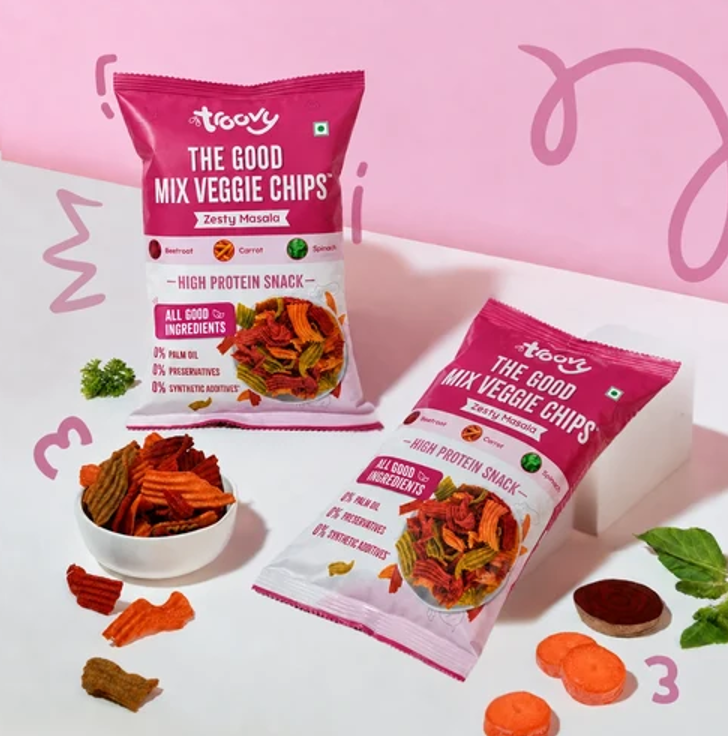
When approached and planned properly, convenient foods can also help promote diversified snack and meal patterns. Some alternatives like vegetable chips, ragi chips, makhana snacks, nut spreads and nutrition mixes offer parents other options while snacking and at mealtimes.
See also: Key Facts About Thimbsilla Explained Clearly
Final Thoughts
The simplest snacks are often the best. It is a realistic option which will satisfy a child’s appetite, age, taste and nutrition. With the help of familiar foods and fruits, vegetables, grains, pulses, and carefully chosen packaged foods, parents can design healthy snack habits that are fun and varied.
Whether a family are considering a nutrition powder for kids, Troovy has a variety of snacks, sauces, spreads, pastas and breakfast products for them to consider. Because it lists child-friendly foods, parents can have more choice in creating intriguing daily eating patterns without adding to the hassle of snack preparation.