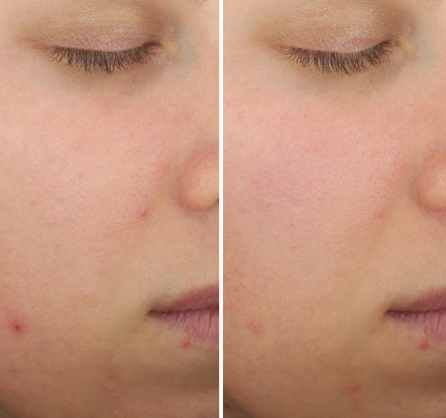
One of the more frustrating parts of adding a new active ingredient to a routine is not knowing whether it’s actually doing anything. Unlike a product with an immediate, obvious effect, exfoliating acids tend to work gradually, which makes it easy to either give up too early or keep using something that genuinely isn’t helping, simply because the signals aren’t always obvious.
Salicylic Acid is a good example of an ingredient where knowing what progress actually looks like changes how confidently you can judge whether it’s worth continuing.
Fewer New Blackheads Forming Over Time
Because salicylic acid works by getting into pores and helping clear the oil and debris that leads to blackheads, one of the clearest signs it’s working is simply noticing fewer new ones forming over several weeks, rather than an immediate disappearance of existing ones. This is a gradual, cumulative effect rather than something that happens overnight.
Skin Feeling Smoother in Areas That Were Previously Rough or Bumpy
Areas of skin that felt consistently bumpy or congested — often around the forehead, nose, or chin — tend to feel noticeably smoother to the touch after several weeks of consistent use, even before any dramatic visible change shows up. This tactile change is often one of the earliest and most reliable signs that the ingredient is doing its job.
Breakouts Feeling Less Angry, Even If They Still Happen
Because salicylic acid has a calming, anti-inflammatory quality alongside its exfoliating function, existing breakouts often become less red, less swollen, and generally less aggressive-looking, even if you’re still getting occasional blemishes. This is a meaningfully different outcome from breakouts disappearing entirely, and it’s worth recognizing as genuine progress rather than dismissing it because breakouts are still happening at all. A Salicylic Acid Face Wash used consistently as part of a twice-daily cleansing routine tends to reinforce this same calming effect at a gentler, rinse-off level alongside a leave-on treatment.
Oil Production Evening Out Rather Than Increasing or Crashing
A well-adjusted routine using salicylic acid tends to result in oil production leveling out to a more manageable, consistent state, rather than skin swinging between excessively oily and uncomfortably dry. If you notice your skin feeling more balanced throughout the day instead of needing blotting papers by midday or feeling tight and stripped after cleansing, that’s a sign the ingredient and your overall routine are working well together.
Makeup or Sunscreen Applying More Evenly
An often-overlooked sign of improvement is how other products sit on your skin. Smoother texture and less congestion mean makeup and sunscreen tend to blend more evenly and look less patchy over time, which is a practical, everyday signal of progress that doesn’t require closely analyzing your skin in the mirror to notice.
Pores Appearing Less Prominent in Certain Lighting
While pore size itself doesn’t actually shrink, pores that were exaggerated by trapped oil and debris often appear less noticeable once that congestion clears, particularly in direct or side lighting where pore texture tends to show up most. This is a subtle, gradual visual change rather than a dramatic transformation, and it’s worth recognizing as a genuine sign of progress rather than dismissing it because pores haven’t disappeared entirely, which was never a realistic expectation to begin with.
Fewer “Surprise” Breakouts in Areas You’d Normally Expect Them
If you’ve historically dealt with recurring breakouts in the same general areas — along the jawline, around the nose, or across the forehead — a noticeable reduction in how often new blemishes show up in those specific spots over several weeks is a meaningful sign that the ingredient is addressing the underlying congestion rather than just treating symptoms as they appear.
Signs That Suggest It Isn’t the Right Fit, Not Just Slow Progress
If, after a genuinely consistent two to three months of proper use, you’re seeing more irritation than improvement, breakouts that seem to be getting worse rather than calmer, or persistent dryness that doesn’t resolve with adjusted frequency and proper moisturizing, that’s a different situation than simply needing more time. At that point, it’s worth reconsidering concentration, frequency, or whether this particular ingredient is actually the right match for your specific skin.
How Long to Wait Before Making a Judgment
Because the changes described above are gradual, judging results after only a week or two rarely gives an accurate picture either way. Giving it a full six to eight weeks of consistent, properly spaced-out use is a more reasonable timeline before deciding whether it’s genuinely working, not working, or simply needs an adjustment to frequency or the rest of your routine.
See also: Refrigerated Trailers for Lease in Alabaster, AL: Keep Your Cargo Fresh
Tracking Progress Instead of Relying on Memory
Because gradual change is hard to judge accurately from memory alone, taking a simple photo every couple of weeks under similar lighting, or keeping brief notes on how your skin has felt, gives you a much more reliable way to assess actual progress than trying to recall how your skin looked a month ago. This small habit removes a lot of the guesswork from deciding whether an ingredient is genuinely earning its place in your routine.