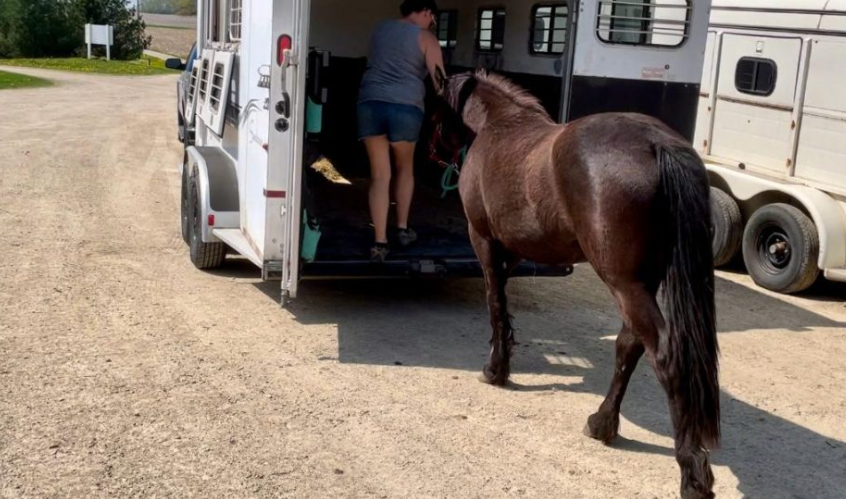
Transporting horses poses several risks that can adversely affect their health. Physical strain and respiratory issues often arise from prolonged confinement and poor ventilation. Additionally, the psychological stress of travel can lead to anxiety, compromising their overall well-being. Understanding these impacts is crucial for horse owners and handlers. Implementing effective strategies can significantly enhance the safety and comfort of equines during transport, raising important questions about best practices in the industry.
The Physical Effects of Transport on Horses
Although transport is often necessary for equine activities such as competitions and breeding, it can significantly impact a horse’s physical well-being.
Prolonged confinement during transport may lead to muscle strain due to restricted movement and posture. Additionally, exposure to dust and ammonia in transport environments can exacerbate respiratory issues, compromising overall health and performance.
This necessitates careful consideration of transport conditions for equine welfare.
See also: The Importance of Farriers in Racing
The Psychological Impact of Travel on Equines
Transport not only affects the physical condition of horses but also has significant psychological implications.
Travel anxiety can manifest in various behaviors, impacting the overall well-being of equines. Implementing strategies for stress reduction is crucial to mitigate these effects.
Understanding the psychological impacts of travel is essential for fostering a supportive environment, ultimately enhancing the horses’ mental health during transportation experiences.
Best Practices for Safe and Stress-Free Horse Transportation
Ensuring the safe and stress-free transportation of horses requires adherence to established best practices that prioritize the animals’ physical and psychological well-being.
Effective loading techniques, appropriate trailer selection, and proper ventilation are essential.
Additionally, managing travel duration, incorporating regular breaks, addressing nutritional needs, employing acclimatization practices, and conducting health check-ups contribute significantly to minimizing stress and promoting overall equine health during transit.
Conclusion
In the quest to transport horses, one might ironically assume that these majestic animals thrive on the adventure, blissfully unaware of the toll it takes on their health. However, the reality reveals a stark contrast, as the physical strain and psychological stress can be profound. By adhering to best practices for horse transportation, owners can transform what should be a simple journey into a safer experience, thereby ensuring that the only thing their horses feel is the wind in their manes, not the weight of travel.